Vignette Stickers Explained: Where, When, and How to Use Them Correctly

James Thompson
16 March 2026
Vignette Stickers Explained: Where, When, and How to Use Them Correctly
Introduction
Planning a road trip through Europe? If your route includes countries like Austria, Switzerland, or Slovenia, you’ll need to understand vignette stickers – those small but crucial highway passes that can make or break your travel budget. These adhesive permits grant you access to major highways and motorways, but getting them wrong can result in hefty fines that’ll put a serious dent in your vacation funds.
Vignette systems might seem confusing at first, especially for travelers accustomed to toll booths or electronic payment systems. However, once you understand the basics of where to buy them, how to apply them correctly, and which countries require them, navigating European highways becomes straightforward and stress-free.
This comprehensive guide will walk you through everything you need to know about vignette stickers, from understanding different types and validity periods to avoiding common mistakes that catch thousands of drivers off-guard every year.
What Are Vignette Stickers and Why Do They Exist?
Vignette stickers are pre-paid highway permits that allow vehicles to use specific road networks in certain European countries. Unlike traditional toll systems where you pay per distance traveled, vignettes work on a flat-fee basis for unlimited access during a specified time period.
The Purpose Behind Vignette Systems
These systems serve multiple purposes:
- Infrastructure funding: Revenue directly supports highway maintenance and construction
- Traffic management: Helps regulate vehicle flow on major routes
- Environmental considerations: Encourages efficient route planning
- Administrative simplicity: Eliminates the need for numerous toll booths
- 10-day vignette: €9.60
- 2-month vignette: €27.80
- Annual vignette: €93.80
- Only annual vignettes available
- Covers all highways and semi-highways
- Distinctive Swiss cross design
- 7-day vignette: €15
- 1-month vignette: €30
- Annual vignette: €110
- Czech Republic: Digital system with various time periods
- Slovakia: Physical and electronic options
- Hungary: Exclusively digital system
- Bulgaria: Physical stickers required
- Romania: Electronic vignette system
- Clean the windshield area thoroughly where you’ll place the sticker
- Remove the vignette carefully from its backing
- Position it correctly according to country-specific requirements
- Press firmly to ensure complete adhesion
- Check visibility from outside the vehicle
- Placing stickers on tinted areas that obscure visibility
- Overlapping with other stickers or decals
- Applying to dirty or wet surfaces
- Incorrect positioning outside designated areas
- Attempting to transfer stickers between vehicles
- Check validity status
- Extend periods
- Manage multiple vehicles
- Receive renewal reminders
- Manual inspection at checkpoints and rest areas
- Camera systems that scan for vignette presence
- Mobile patrols conducting roadside checks
- Automated license plate recognition for digital systems
- Vehicle impoundment
- Increased fine amounts
- Legal complications for future visits
Important Note: Vignette requirements vary significantly between countries, and some nations use electronic systems instead of physical stickers.
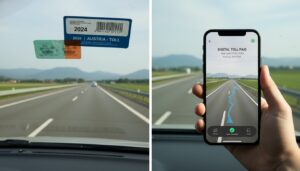
Physical vs. Digital Vignettes
Modern vignette systems come in two main formats:
Physical stickers must be properly affixed to your windshield and remain visible to authorities. Digital vignettes are linked to your license plate number and stored in electronic databases, eliminating the need for physical application.
Countries Requiring Vignette Stickers
Several European countries mandate vignettes for highway access. Here’s a breakdown of the most important ones for travelers:
Austria
Austria requires vignettes for all vehicles under 3.5 tons using autobahns and expressways. The distinctive stickers feature a red-white-red design and must be placed on the windshield.
Validity periods:
Switzerland
Switzerland operates one of Europe’s most straightforward vignette systems. The annual sticker costs CHF 40 (approximately €37) and is valid from December 1st of the previous year through January 31st of the following year.
Key features:
Slovenia
Slovenia offers both physical and digital vignettes with multiple validity options:
Other Countries
Additional countries with vignette requirements include:
Where to Buy Vignette Stickers
Purchasing vignettes is generally straightforward, but knowing the best locations can save time and ensure authenticity.
Official Purchase Points
Gas stations near border crossings typically stock vignettes and often have multilingual staff to assist international travelers. Automobile clubs like ÖAMTC in Austria or TCS in Switzerland provide reliable purchase options.
Online platforms offer convenient advance purchasing, especially useful for digital vignettes. Official government websites guarantee authenticity and often provide English-language support.
Border Crossing Locations
Most major border crossings feature vignette sales points immediately before entering countries with mandatory requirements. However, these locations can experience long queues during peak travel seasons.
Retail Outlets
Many supermarkets, tobacco shops, and post offices in vignette countries sell these permits. This option works well if you’re already in the country and need to purchase before highway travel.
Pro Tip: Always buy from authorized dealers to avoid counterfeit vignettes, which can result in the same penalties as having no vignette at all.
How to Apply Vignette Stickers Correctly
Proper application is crucial for avoiding fines and ensuring your vignette remains valid throughout your journey.
Step-by-Step Application Process
Placement Requirements by Country
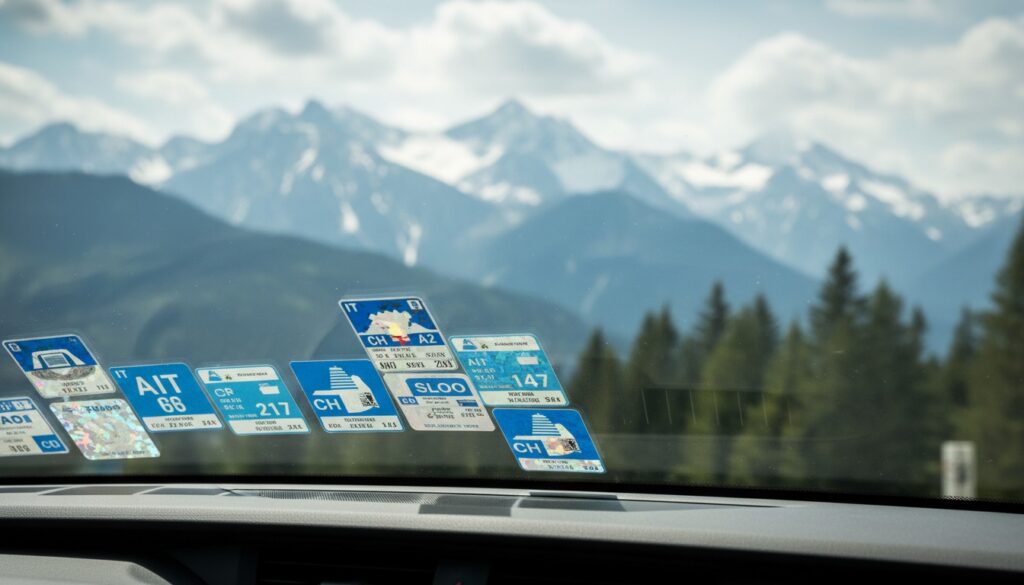
Austria: Upper left or right corner of the windshield, behind the rearview mirror area
Switzerland: Any location on the windshield where it’s clearly visible from outside
Slovenia: Left side of the windshield, in the lower corner
Common Application Mistakes
Avoid these frequent errors:
Validity Periods and Renewal
Understanding validity periods prevents unexpected expiration and associated penalties.
Time-Based Validity
Most vignettes activate immediately upon first highway use rather than purchase date. This system benefits travelers who buy vignettes in advance but don’t use highways immediately.
Renewal Strategies
Annual vignettes often provide the best value for frequent travelers or long-term stays. Short-term options work better for brief transit or vacation trips.
Some countries offer overlapping validity periods for annual vignettes, allowing purchase of next year’s permit before the current one expires.
Digital Vignette Management
Digital systems typically provide online account access where you can:
Penalties and Enforcement
Vignette violations carry serious financial consequences that can significantly impact your travel budget.
Common Violation Types
No vignette: The most serious offense, typically resulting in fines ranging from €65 to €300
Expired vignette: Treated similarly to having no vignette
Improperly applied sticker: Can void the vignette’s validity
Damaged or illegible vignette: May require replacement and could incur penalties
Enforcement Methods
Authorities use various detection methods:
Penalty Payment
Most countries require immediate payment of fines, and some accept credit cards or cash. Unpaid penalties can result in:
Remember: Claiming ignorance of vignette requirements rarely reduces penalties, making advance preparation essential.
Special Considerations and Exceptions
Certain situations require additional attention when dealing with vignette requirements.
Vehicle Categories
Motorcycles often have separate vignette requirements and pricing. Commercial vehicles over 3.5 tons typically use different toll systems rather than standard vignettes.
Rental cars may include vignettes in rental packages, but always verify coverage before highway travel.
Route Planning
Some alternative routes avoid vignette-required highways entirely. While these options may take longer, they can provide cost savings for short transits.
GPS systems can often filter routes to avoid toll roads and vignette requirements, though this feature isn’t always reliable for European vignette systems.
Seasonal Considerations
Winter sports seasons see increased enforcement in Alpine countries. Summer vacation periods often feature longer queues at purchase points and higher penalty rates.
Conclusion
Vignette stickers represent a crucial aspect of European highway travel that requires careful attention and proper preparation. Understanding the specific requirements for each country on your route, purchasing from authorized dealers, and applying stickers correctly will ensure smooth travels and help you avoid costly penalties.
The key to successful vignette management lies in advance planning and attention to detail. Whether you’re embarking on a cross-continental adventure or making a brief business trip, taking time to understand these requirements will pay dividends in stress reduction and financial savings.
Remember that vignette systems continue evolving, with many countries transitioning to digital formats. Staying informed about current requirements and checking official sources before travel ensures you’ll have the most up-to-date information for your journey.
Take Action for Your Next European Road Trip
Ready to hit the European highways with confidence? Start planning your vignette strategy today by researching the specific requirements for your intended route. Check official government websites for the most current pricing and regulations, and consider purchasing digital vignettes in advance where available.
Don’t let vignette confusion derail your European adventure – proper preparation ensures you’ll spend more time enjoying scenic routes and less time dealing with administrative hassles. Safe travels!